A solid foundation - creating thousands of beliefs

How to create black concrete and apply in some projects

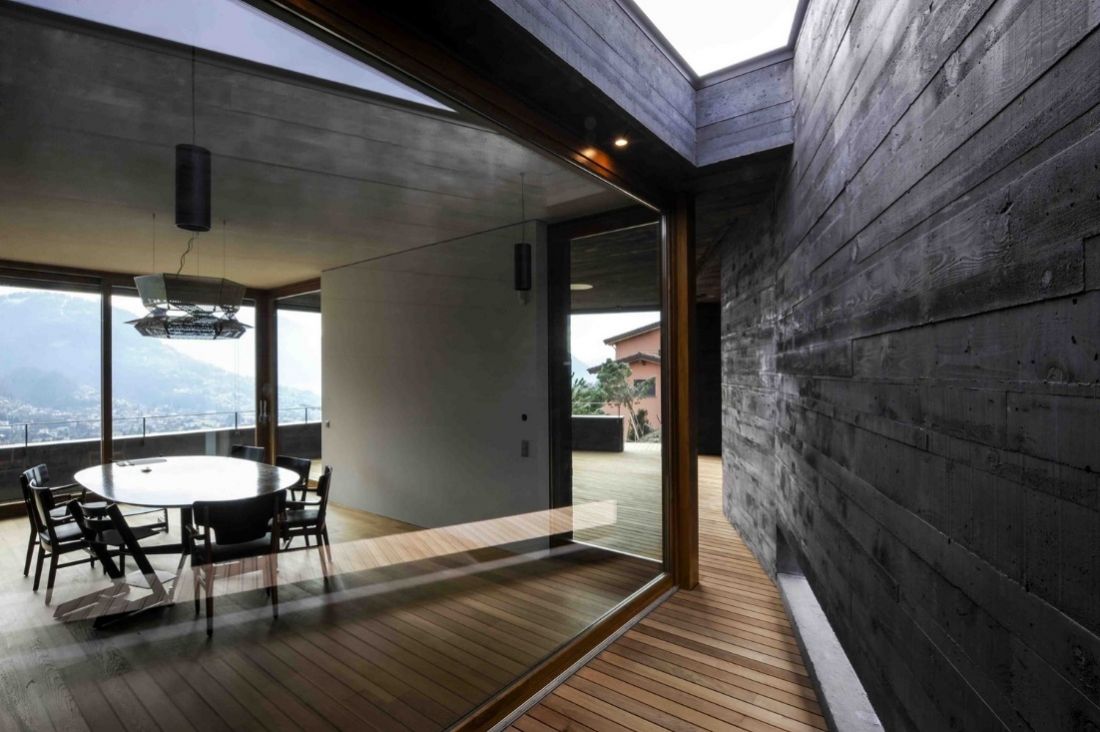
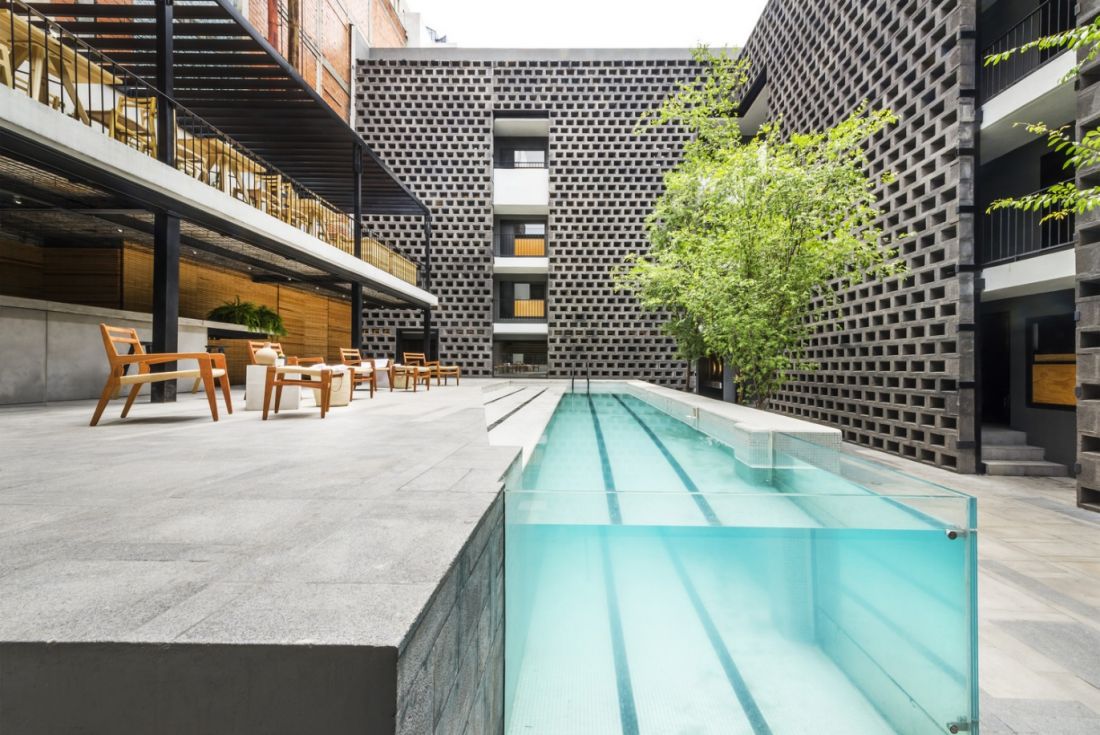
Black concrete has a special aesthetic effect on the building and is a favorite style of architects.

There are two things that architects are extremely excited about: the use of black and raw concrete on the exterior of the building.
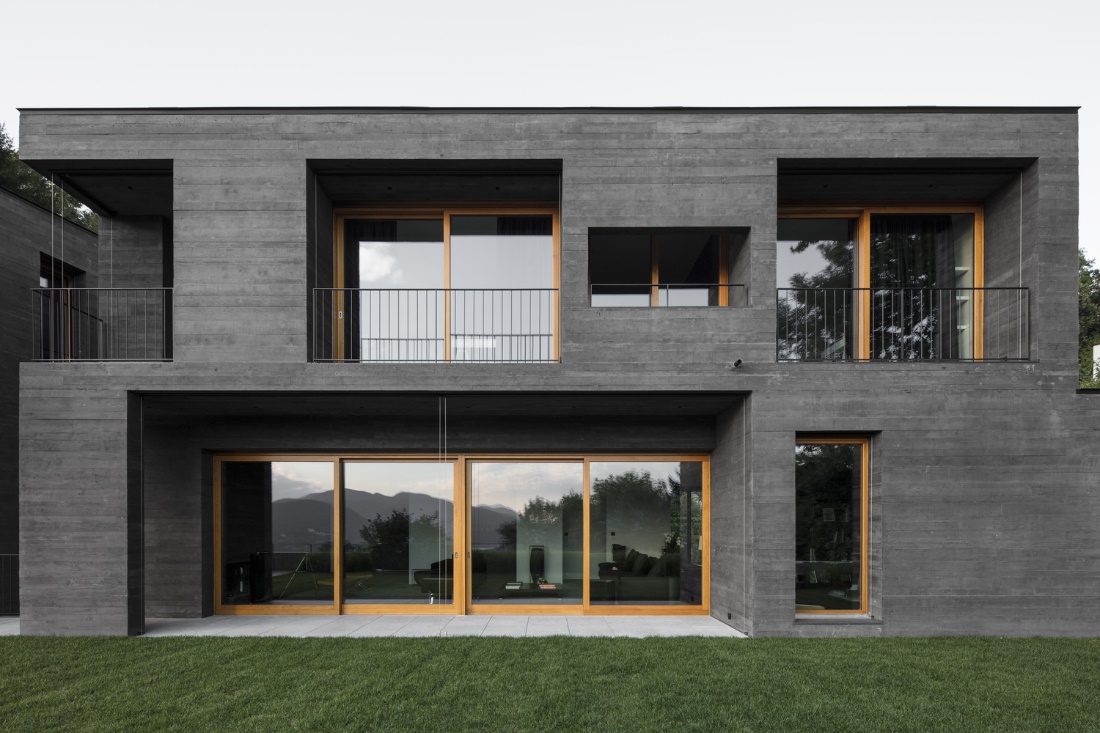

While concrete offers an aesthetic based on its distinctive rustic beauty, emphasizing style, texture and surface, the sharpness possessed by black helps architects to accentuate its distinctive features the detail of the work is the most accurate.

Therefore, combining these two factors sounds natural. But in fact, black concrete is not as commonly used as we think.

Concrete staining is not new, they have been carried out since the 1950s, only by adding color molecules in the form of powder or liquid to concrete aggregates (with sand and stone) when they were still dry at a ratio of 2% up to 5% by weight of cement. As a result the entire mixture will change color but only in a few small inconspicuous parts.

Particularly for black concrete, iron oxide (Fe3O4) – tồn tại trong tự nhiên dưới dạng khoáng vật sắt từ – là loại chất thường được sử dụng trong quá trình sản xuất. Khi được thêm vào hỗn hợp bê tông, các hạt oxit sắt sẽ bao phủ các hạt xi măng nhỏ hơn chúng 10 lần. Đó là lý do tại sao lượng phân tử màu sắc trong bê tông được tính toán dựa trên khối lượng xi măng, chứ không phải là cát, sỏi hoặc nước.

In rare cases, black carbon is used in the mixture to create a darker concrete surface. However, while the iron oxide particles bind to the cement and become a permanent part of the concrete structure the black carbon does not. As the water evaporates, the carbon black can extract the carbon and make the concrete more susceptible to discolouration.

Structurally, black concrete offers great aesthetics but is created similar to conventional concrete. According to research, color molecules can reduce mass density, slightly increase water absorption by 1% and compressive strength by 20%, so they do not negatively affect physical properties and durability of hard concrete.

However, the use of black concrete requires a more rigorous process, requiring the participation of qualified contractors.

Another issue that must be taken into account is that the repair or maintenance carried out on the black concrete surface must be careful to achieve color uniformity.

Therefore, this process often has to follow the design guidelines from the beginning, leading to the cost of finishing using black concrete is often higher than usual.

However, for the facades of buildings, black concrete is still considered a cost-effective choice compared to the use of other expensive materials, while still offering uniqueness and buoyancy turn on for works.

Building materials.org
ỨNG TUYỂN NGAY!

Leave your information and choose a suitable position, we will contact you for an interview as soon as possible!

(*) Thông tin bắt buộc

Other news

Black concrete has a special aesthetic effect on the building and is a favorite style of architects.

There are two things that architects are extremely excited about: the use of black and raw concrete on the exterior of the building.


While concrete offers an aesthetic based on its distinctive rustic beauty, emphasizing style, texture and surface, the sharpness possessed by black helps architects to accentuate its distinctive features the detail of the work is the most accurate.

Therefore, combining these two factors sounds natural. But in fact, black concrete is not as commonly used as we think.

Concrete staining is not new, they have been carried out since the 1950s, only by adding color molecules in the form of powder or liquid to concrete aggregates (with sand and stone) when they were still dry at a ratio of 2% up to 5% by weight of cement. As a result the entire mixture will change color but only in a few small inconspicuous parts.


Particularly for black concrete, iron oxide (Fe3O4) – tồn tại trong tự nhiên dưới dạng khoáng vật sắt từ – là loại chất thường được sử dụng trong quá trình sản xuất. Khi được thêm vào hỗn hợp bê tông, các hạt oxit sắt sẽ bao phủ các hạt xi măng nhỏ hơn chúng 10 lần. Đó là lý do tại sao lượng phân tử màu sắc trong bê tông được tính toán dựa trên khối lượng xi măng, chứ không phải là cát, sỏi hoặc nước.

In rare cases, black carbon is used in the mixture to create a darker concrete surface. However, while the iron oxide particles bind to the cement and become a permanent part of the concrete structure the black carbon does not. As the water evaporates, the carbon black can extract the carbon and make the concrete more susceptible to discolouration.

Structurally, black concrete offers great aesthetics but is created similar to conventional concrete. According to research, color molecules can reduce mass density, slightly increase water absorption by 1% and compressive strength by 20%, so they do not negatively affect physical properties and durability of hard concrete.


However, the use of black concrete requires a more rigorous process, requiring the participation of qualified contractors.

Another issue that must be taken into account is that the repair or maintenance carried out on the black concrete surface must be careful to achieve color uniformity.

Therefore, this process often has to follow the design guidelines from the beginning, leading to the cost of finishing using black concrete is often higher than usual.

However, for the facades of buildings, black concrete is still considered a cost-effective choice compared to the use of other expensive materials, while still offering uniqueness and buoyancy turn on for works.

Building materials.org